
CIHR funds five regionally led training programs for HIV and STBBI clinical trials
As the Network moves into its second year of operations, with our Regional Teams and scientific Think Tanks in full swing, we are excited to announce the successful funding of the CTN+ Phase 2 grants from the CIHR Institute of Infection & Immunity.
The Phase 2 initiative aims to strengthen Canada’s capacity for inclusive, community-engaged clinical trials in HIV and other STBBIs.
“These regionally led projects focus on implementing coordinated, national platforms that support training and mentorship, knowledge mobilization, and infrastructure for adaptive and community-informed research,” said CTN+ National Director Dr. Marina Klein. “They are all fantastic examples of capacity strengthening programs that attend to regional priorities while also contributing to national research goals and needs.”
A total of five projects are funded for $800,000 each over four years.
Atlantic: Creating regional capacity
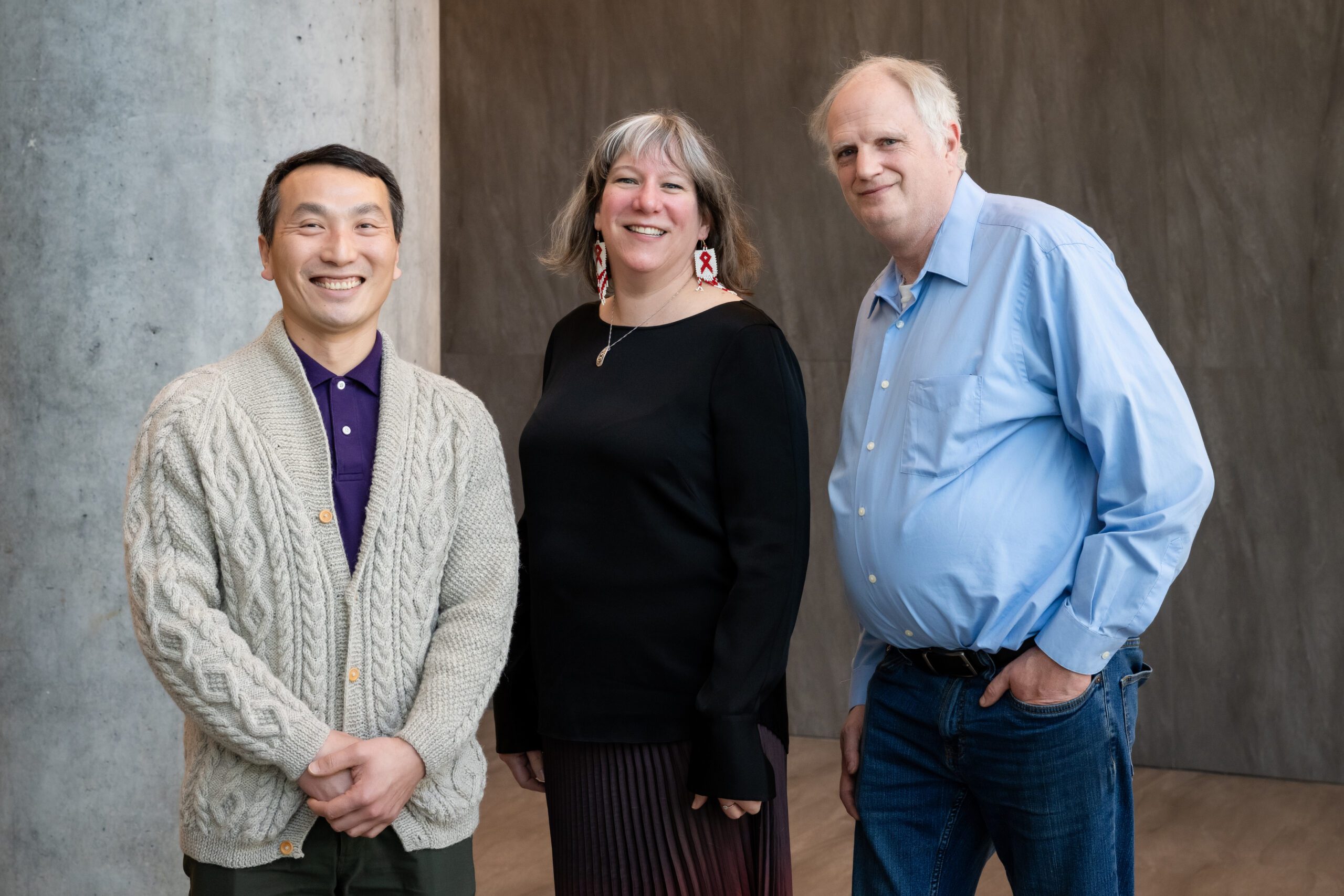
The Atlantic Team, led by Dr. Peter Daley at Memorial University in Newfoundland, is focusing on assessing and creating regional research capacity by launching a training and mentoring platform with the aim to activate new STBBI clinical trial sites.
With a hub in St. John’s, the training program will provide skills necessary to conduct clinical trials and focus on health care practitioners, graduate students, and community trainees.
Quebec: Supporting innovative methodologies
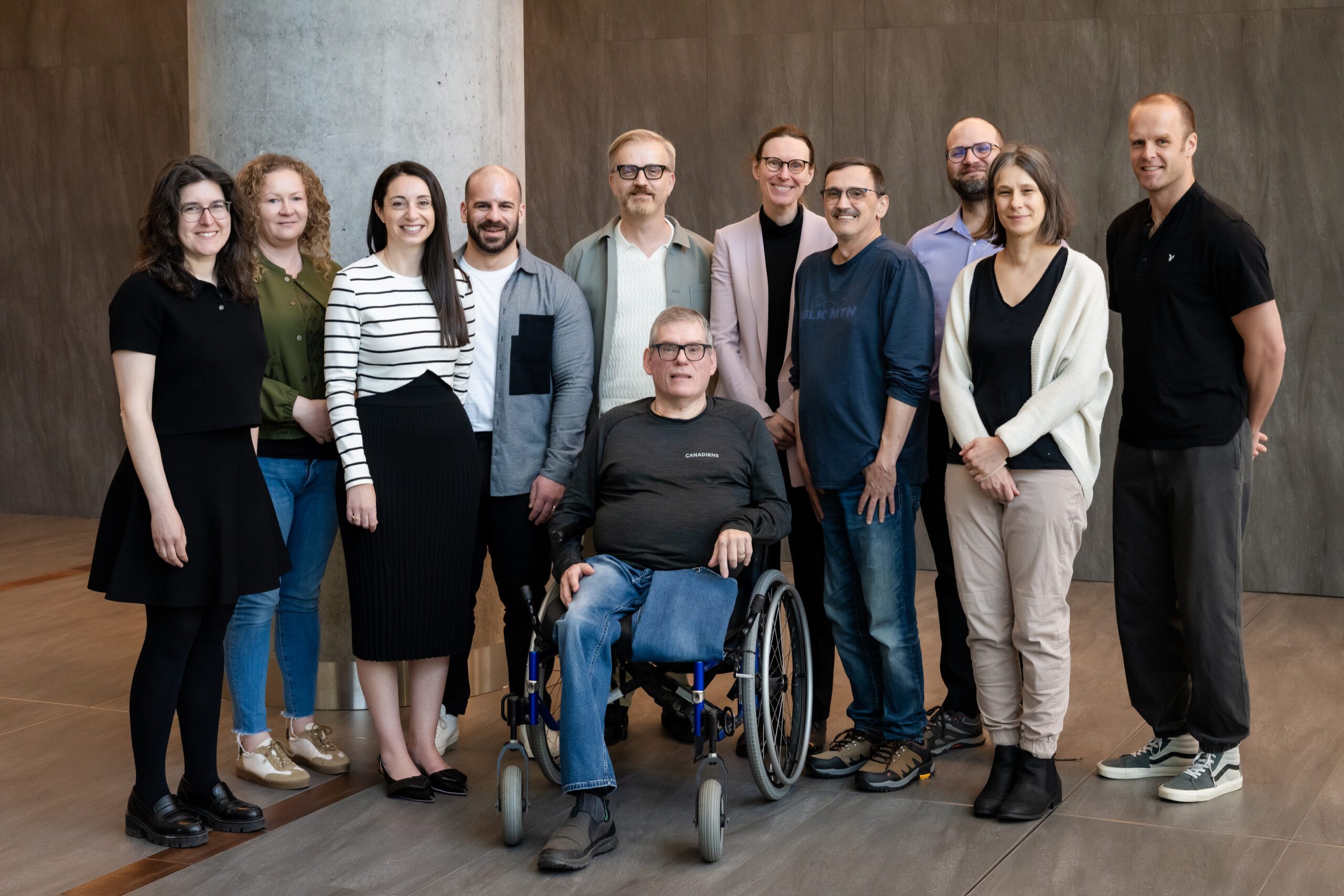
In Quebec, Dr. Madeleine Durand and team will be launching the CTN+ Quebec Training Platform to support training in innovative adaptive clinical trials methodologies.
The Training Platform will welcome learners in five streams, each with unique curriculum based on the learning needs of each group: Basic Science, Clinical Science, Methods & Biostatistics, Community-based and Person-Oriented Research, and People with Lived Experience.
Ontario: Mobilizing knowledge across communities
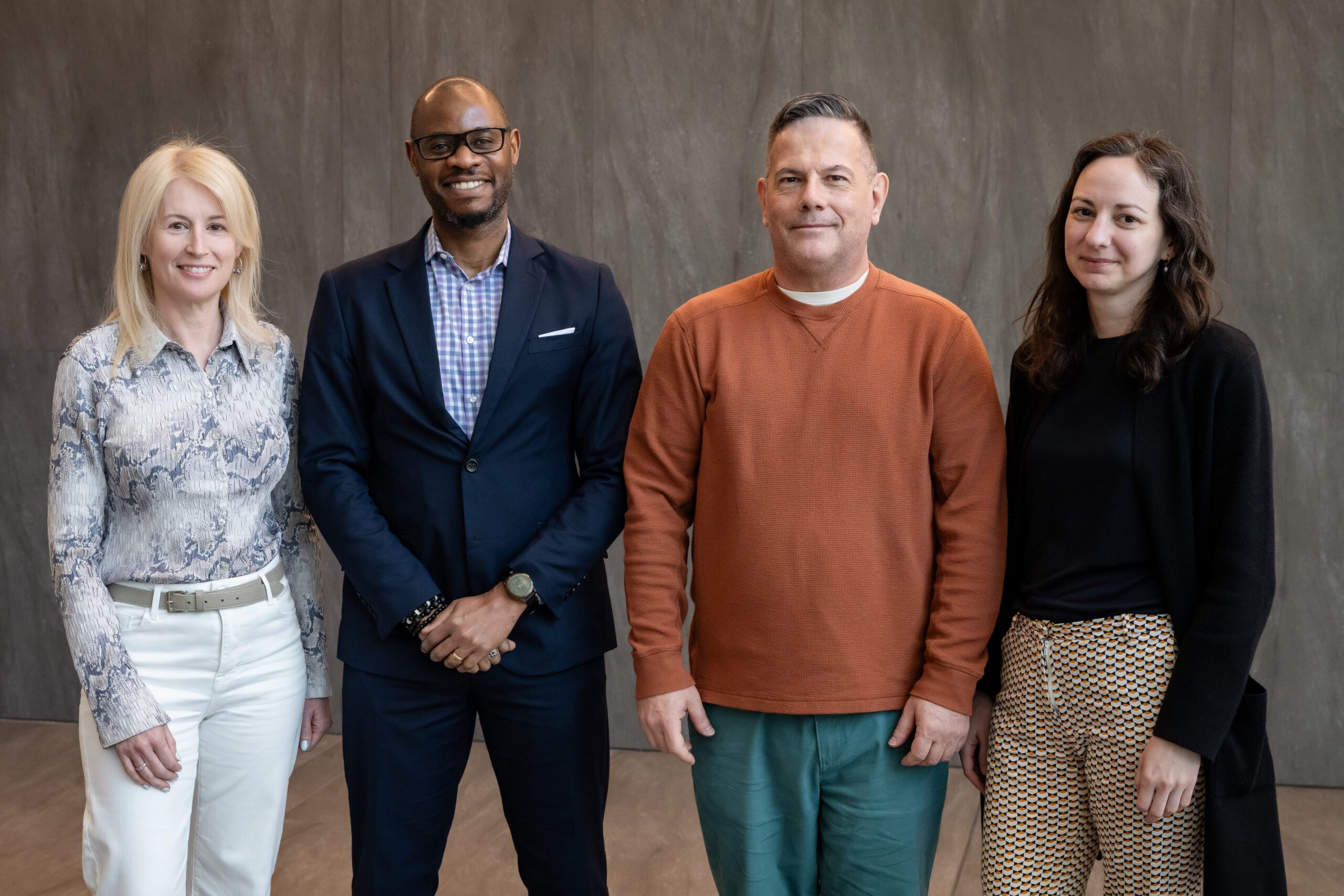
ON-TRACK (Ontario Network for Trials, Research, and Advancement in Capacity-Building for HIV/STBBIs), led by Ontario co-lead Dr. Lawrence Mbuagbaw, aims to develop a robust, inclusive, and sustainable HIV and STBBI clinical trials training ecosystem in Ontario for both academic and non-academic learners, to be paired with individualized mentors based on area of interest, methodologic expertise, and learner goals.
The 6–12-month training program will have two streams — one for investigators and another for community members and underrepresented populations — and will include both online and in-person learning and an annual symposium.
Prairies: Delivering community-responsive knowledge exchange
The Prairies Team, led by Dr. Yoav Keynan at the University of Manitoba and Dr. Cara Spence at the University of Saskatchewan, is creating a knowledge exchange network for people with lived experience, community members, trainees and researchers to expand regional capacity and ability to design and participate in clinical trials that are responsive to community needs.
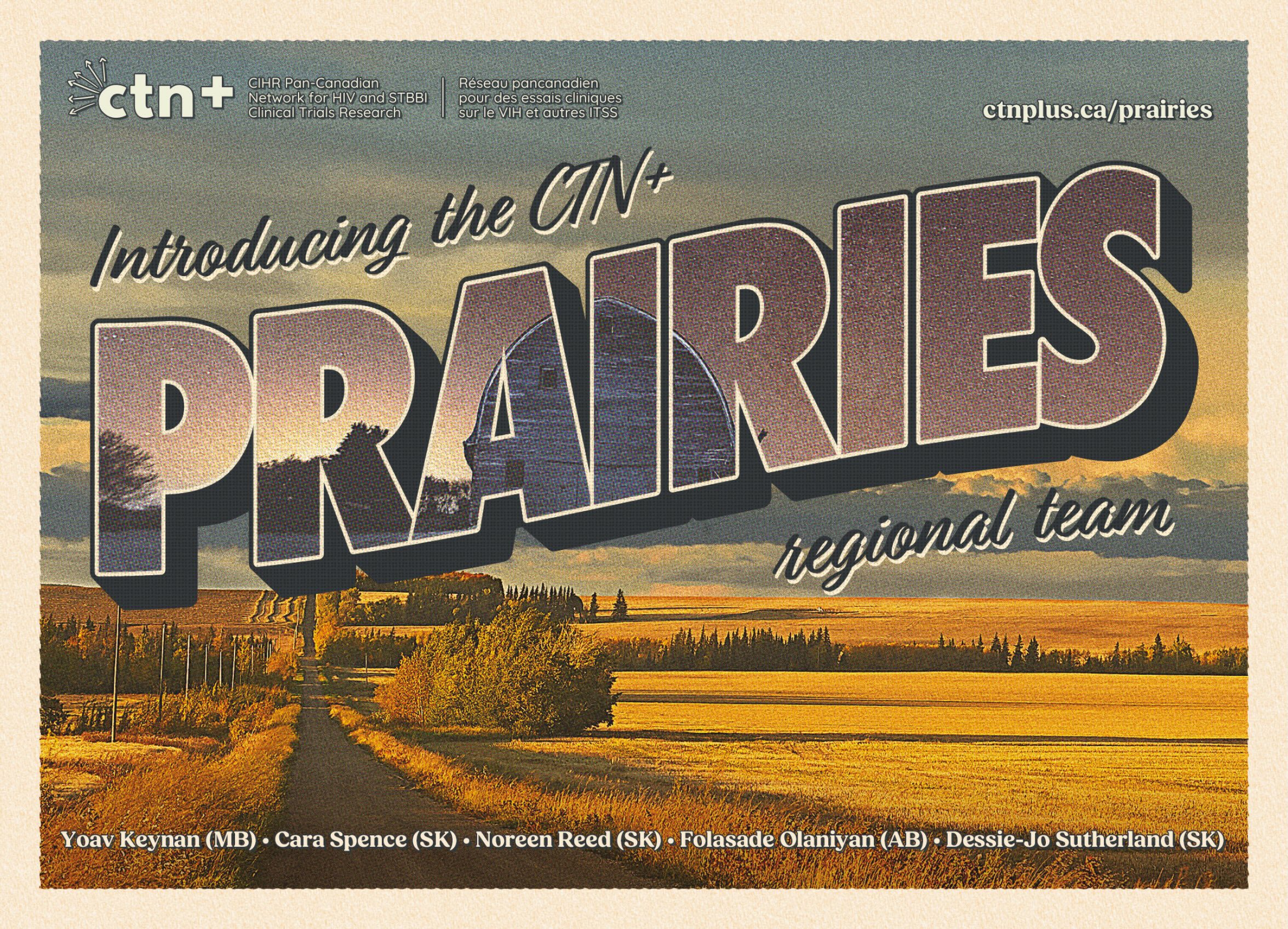
The Strengthened Prairies Integrated Knowledge Exchange or SPIKE, will offer immersive training spots across the three prairie provinces with access to course materials and individual mentorship from a trialist, an HIV/STBBI expert, and a person with lived experience. At the end of the training, learners will develop a master protocol that integrates peers and community partners in the development and conduct of clinical trials.
BC & Yukon: Leveraging administrative health data
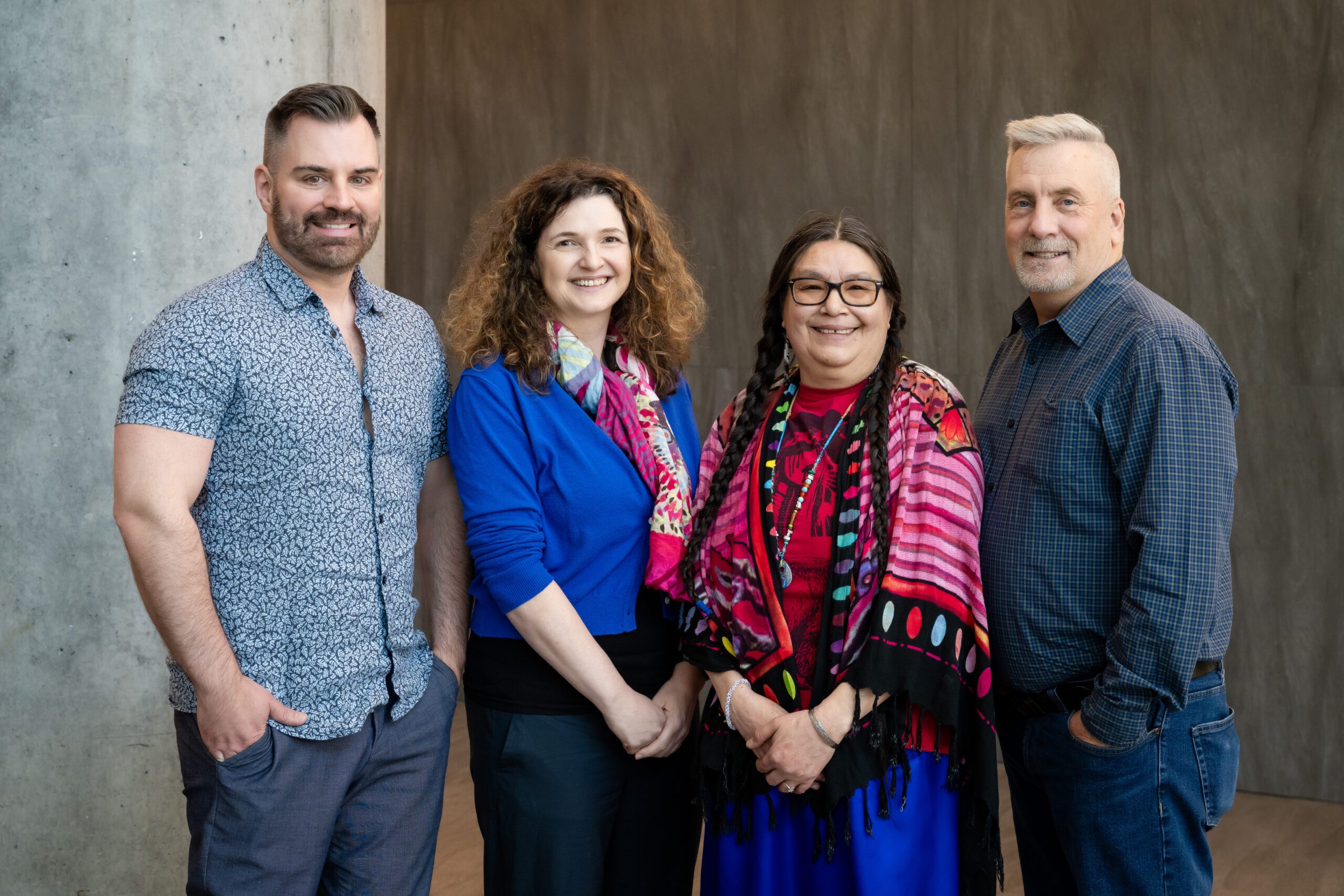
In the BC & Yukon Region, Skills Training for Real-world Intervention Evaluation in STBBIs (STRIVE-STBBI) will offer skills training through an intensive in-person workshop and ongoing webinars.
With a goal of 60–80 trainees over four years, STRIVE will provide training and mentorship on using administrative health data with an academic stream focusing on methodological skills and a community stream focused on foundational data literacy.
A cast of hundreds
“These proposals have taken many thoughtful hours of work and preparation and I would like to thank the staff, co-leads, and community members who contributed to their success,” said Dr. Klein. “We would also like to acknowledge the support of the Pre-Awards Office at the RI-MUHC for their assistance with the grant application process.”
With funding now underway, we are transitioning from planning to implementation. A key early priority is the recruitment of a Platform Manager by the end of January 2026. This position will support coordination of activities and foster collaboration across all regional platforms and the Network. This will help ensure that members stay informed about available training opportunities and remain aligned in the delivery of the Phase 2 projects.
Stay tuned to CTN+ channels to follow along with these projects — be sure to follow us on LinkedIn, Bluesky, and Instagram.