The Community Science Champion Program is a free online course that helps learners apply their expertise to clinical study design and management
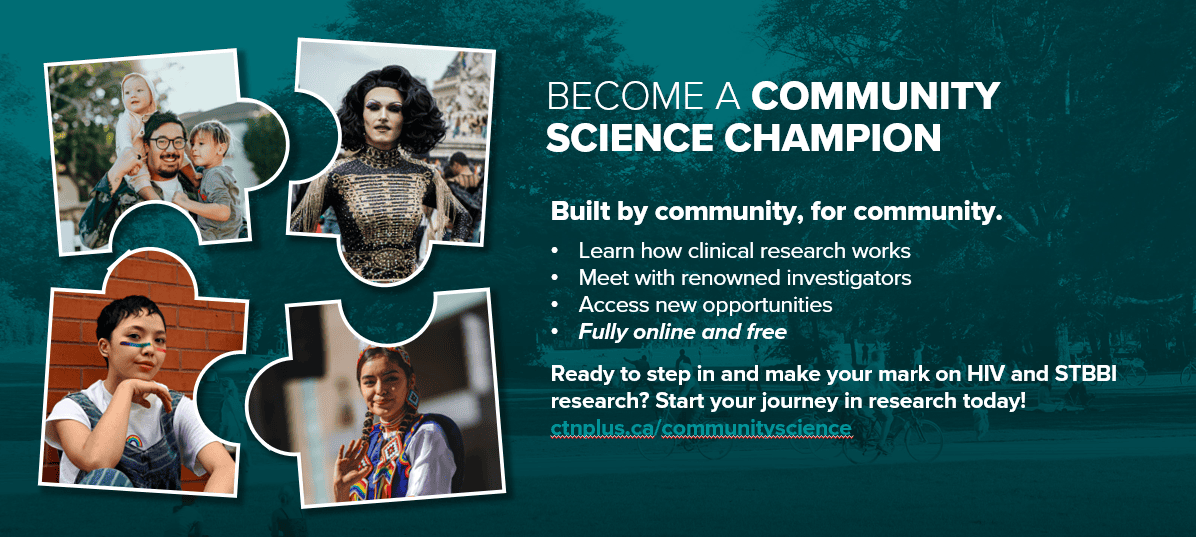
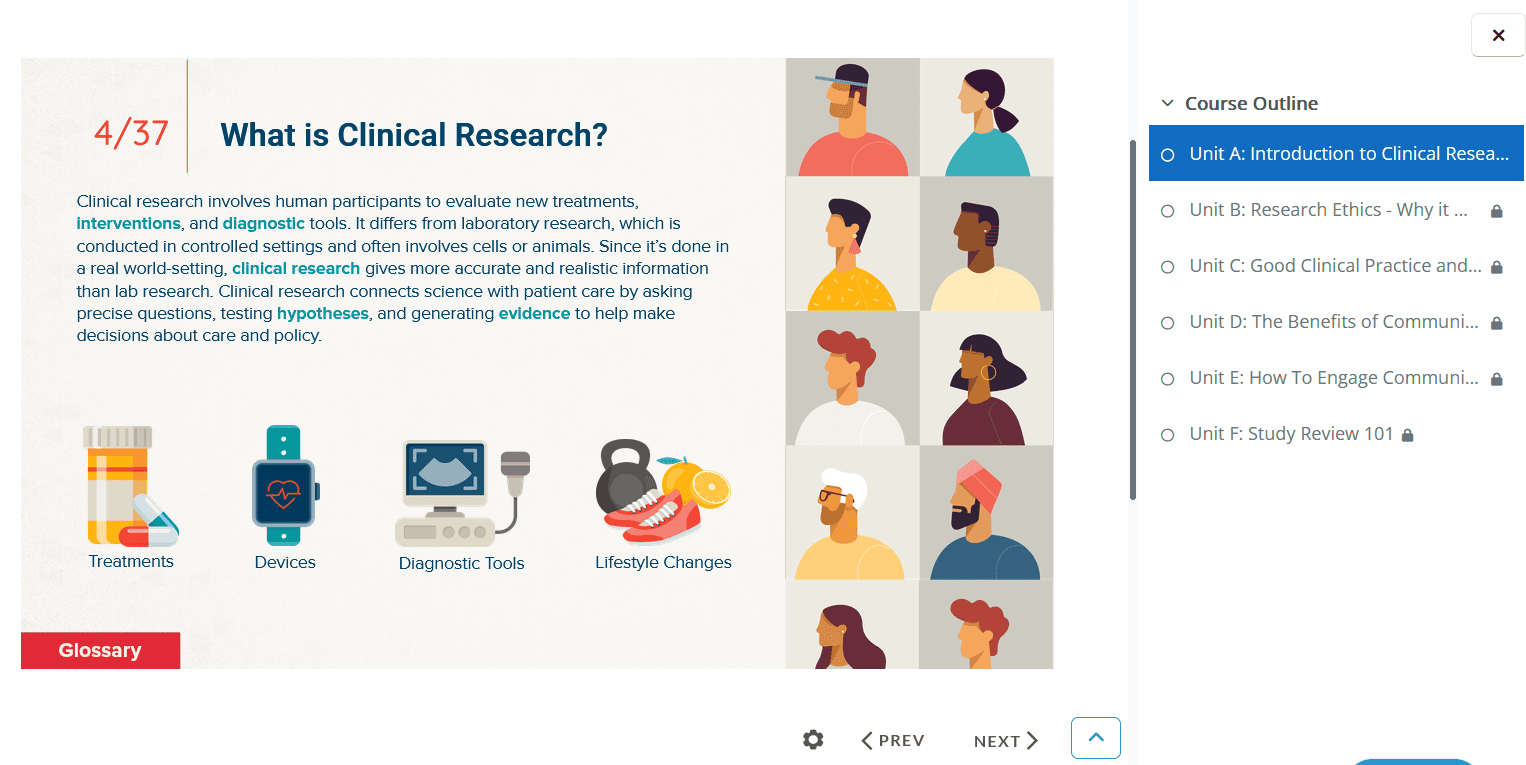
Spring of 2026 saw the launch of the Community Science Champions Program (CSCP), a free online course that equips people living with HIV and other sexually transmitted and blood-borne infections (STBBIs) with the information needed to become more involved in research.
The CSCP covers topics like the different kinds of medical research, the laws that regulate them, and the many roles that community members can play within the process. Featuring a mix of reading, videos, quizzes, online discussion groups, and more, the course is designed to be approachable for people of all backgrounds and diverse learning styles.
We spoke with some members of the team behind the CSCP about the inspiration for the course and why they hope community members will enroll.
‘Nothing About Us, Without Us’
For 40 years, the phrase ‘nothing about us, without us’ has been the foundation of HIV research. It speaks to the importance of embedding lived experience directly into the research process, ensuring that studies align with community priorities and drive mutually beneficial, real-world change.
But as important as it is to have community members involved directly in clinical research, sometimes it’s a lot to ask. The field of medical research is dense, with technical knowledge and academic jargon often acting as a barrier to the very people it’s meant to serve. The CSCP is designed to break down that barrier. It makes topics like scientific methods, medical ethics, and good clinical practice accessible to people of all educational levels and backgrounds.
“When people understand the research process, they are better able to recognize myths, ask informed questions, and make confident decisions about participating in research,” said Michaela Davies, staff lead of the CTN+ Knowledge Mobilization Hub. “This approach also helps build trust between researchers and communities, making it easier to address concerns and reduce the impact of misinformation before it spreads.”
The CSCP is also designed to open doors for learners: those who complete the first module in the CSCP will be invited to join the CTN+’s Community Advisory Committee. This is a team of community experts and people with lived/living experience who evaluates every new study that comes into the Network, directly shaping proposals to create research that’s more respectful, more inclusive, and more impactful. They are also involved in reviewing the knowledge translation activities of CTN+ trials as they progress through the study process.
“As somebody who’s now been participating in research for well over two decades, I am always learning something new,” said Darren Lauscher, member of the CTN+ Community Leadership Team and KM Liaison for the BC–Yukon Regional Team. “This Program is really about developing skill sets that will speed up your learning; something that has taken me all that time to get to. It’s the cheat sheet to speed that process up.”
Valuing Lived Experience
“Community, community, community was the inspiration for the CSCP,” said Jaydee Cossar, Community Engagement Manager at the CTN+. He explained how the course was originally born from a series of consultations that were undertaken within and across the Network’s Think Tanks to identify options for increased meaningful engagement from community. “A key outcome was a strong recommendation to provide opportunities for people living with HIV to engage in clinical research more robustly, as well as support community-led research projects within the CTN+.”
But that was only where the idea started.
“We wanted to create more than a training program,” said Enrico Mandarino, co-chair of the CTN+ Community Leadership Team. “We wanted to build a community of informed, confident leaders who understand clinical research, ask meaningful questions, contribute to research design, and help bridge the gap between researchers and the communities they serve.”
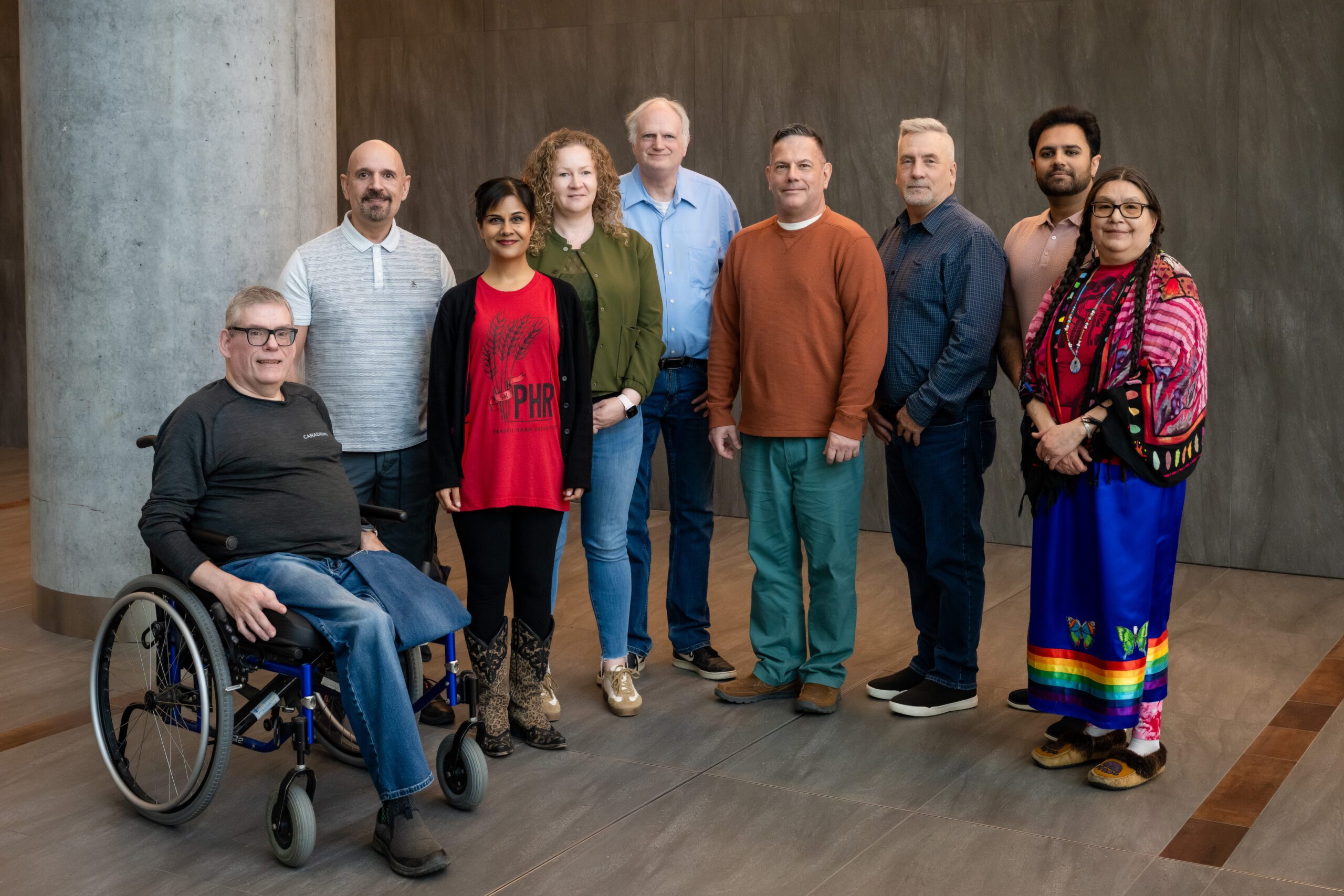
The course’s creation process embodied that ethos. It was developed through collaboration between a wide variety of voices from across Canada. This included groups within the Network, including the Community Leadership Team and the Indigenous Guiding Circle, as well as organizations from outside of it, such as the Health Initiative for Men (HiM) and BC Centre for Disease Control.
“I feel so genuinely privileged to have been involved in this project,” said Laura Beveridge, one of the main writers behind the course and a staff member of the CTN+ KM Hub. “It gave me the opportunity to meet so many amazing people who have been working to improve HIV and STBBI research. It was an honour to help distill their insights and expertise.”
What’s Next?
When asked what the team’s vision for the course was, Cossar said, “I hope that the CSCP will level the playing field by providing community members with the knowledge, language, and expertise needed to equally share control over the research, results, and related outputs.”
“I hope the course creates a growing network of community leaders who feel confident participating in research as equal partners,” added Mandarino. “More broadly, I hope the program helps strengthen trust between researchers and communities, increases meaningful participation in clinical research, and contributes to a culture where community engagement is recognized as a core element of scientific excellence.”
This first module is only the start of the CSCP. The CTN+ is planning on adding more modules over the years for community members and clinical researchers alike, tackling topics like the role of emerging technologies in science and deep exploration of ethics in clinical research.
Since launching in April 2026, the CSCP has had over 70 learners register. Join them and enroll to become a Community Science Champion today.