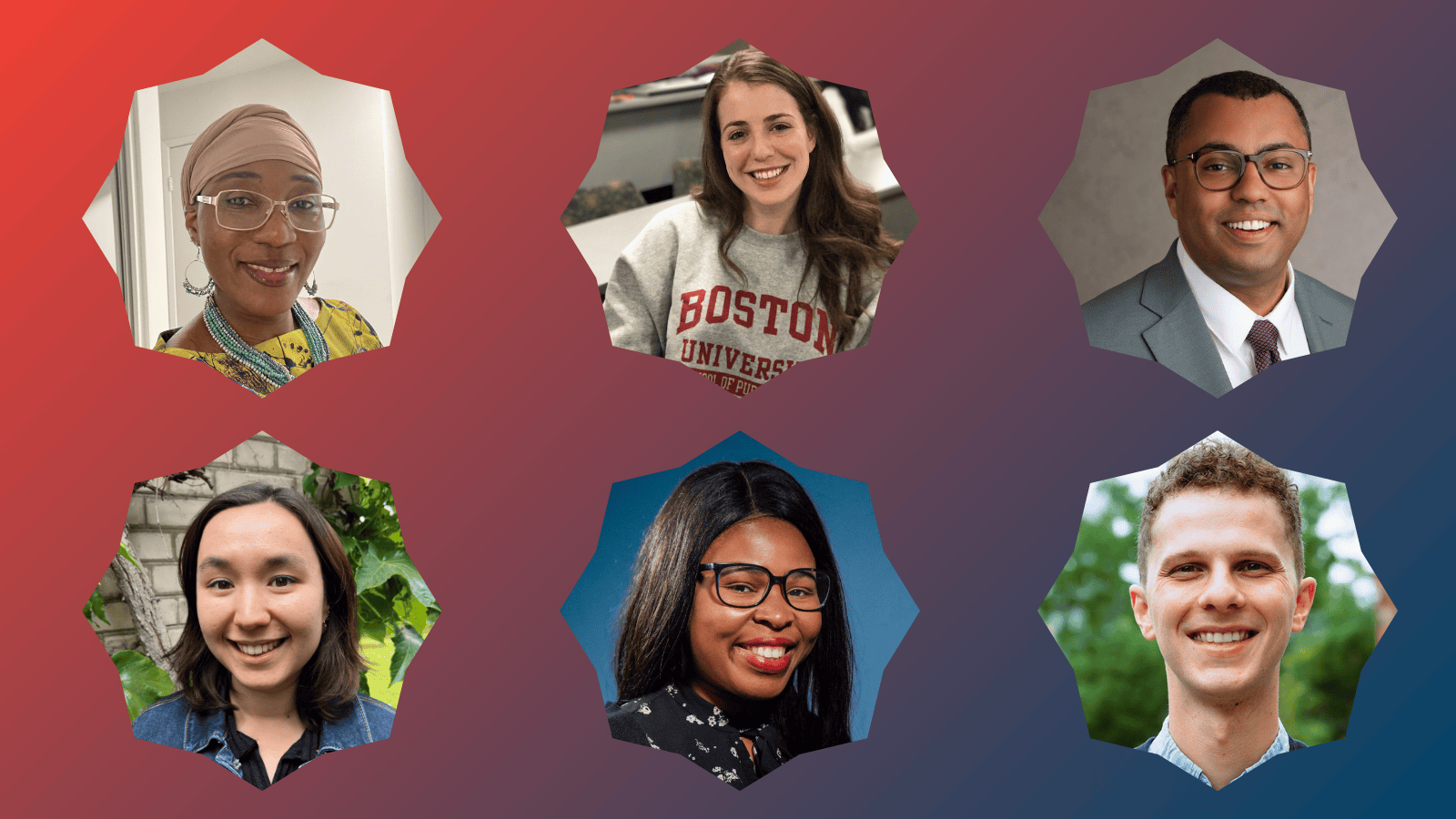

Dr. Ngozi Joe-Ikechebelu joined the CTN+ in 2025 as the first Jacquie Sas Postdoctoral Fellow. Named in honour of the CTN’s long-time Manager of the Postdoctoral Fellowship Program and Committees, and leader in international engagement, the Jacquie Sas fellowship aims to support the work of researchers with a focus on HIV and STBBI beyond borders.
Supervised by Dr. Nathan Lachowsky at the University of Northern British Columbia, Dr. Joe-Ikechebelu is taking a deep dive into the ‘Knowledge, Attitude and Practices Regarding HIV and HIV PrEP Among Nigerian Youth in Nigeria and Canada.’
“Motivated by a commitment to social justice, I aim to break systemic barriers, reduce stigma, and improve health care access through culturally specific, community-based strategies that boost health outcomes and quality of life for ethnoracialized communities,” she said.
From Nigeria to Canada: Caring across continents
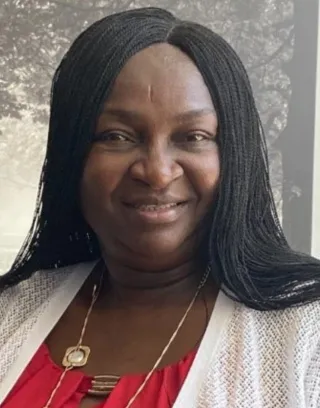
Dr. Joe-Ikechebelu is a sub-Saharan African woman, wife, and mother, who teaches in the Department of Community Medicine/Primary Health Care at the Chukwuemeka Odumegwu Ojukwu University, Nigeria. She moved to Canada in 2017 to pursue her doctoral work in the Interdisciplinary Social Dimensions of Health program at the University of Victoria. During this time, she used a culturally responsive, arts-based (photovoice and photo-elicitation), community-based research approach to understand the social and structural determinants of health among sub-Saharan African women migrants living with HIV in British Columbia.
Her CTN+ project will build on this work, complementing her qualitative findings with scalable data. Her overarching goal is to develop a research program to reduce health disparities and promote long-term wellness for underserved populations.
“I am using innovative community-based quantitative methods that involve Nigerian migrant youth as active partners in survey design, data collection, and analysis to better understand their experiences navigating complex social environments,” explained Dr. Joe-Ikechebelu. “My goal is to translate these findings into effective policy changes, health care practice guidelines, and supportive community structures.”
The lightbulb moment
With a background in general medical practice, community medicine, and public health, Dr. Joe-Ikechebelu is familiar with the complexities of viral management and general community health practice. However, she stated her perception shifted profoundly during her PhD dissertation, ‘A Study of the Social Structural Determinants of Health of Sub-Saharan African Populations,’ when she worked with community researchers Patience Magagula and Jean Nsengiyumva of the Afro-Canadian Positive Network of British Columbia, along with academic researchers Drs. Nathan Lachowsky, Mandeep Mucina, and Catherine Worthington.
“This study revealed that structural barriers, such as anti-Black racism, gender discrimination, limited education, obstacles to social support and community connections, as well as HIV disclosure and stigma, limit sub-Saharan women’s access to health care.” She continued, “It underscores the significance of culturally sensitive care within the Canadian health system. The ultimate breakthrough of my doctoral project was realising that these systemic inequalities do not begin or end at the Canadian border; they are transnational and deeply tied to the migration journey itself.”
Looking further into critical gaps in the continuity of care, Dr. Joe-Ikechebelu noted that, despite the availability of preventative medications, like PEP and PrEP, migrant youth are often thrust into entirely new, fragmented social environments without the tools to navigate them. It was this insight that paved the way for her CTN+ fellowship project.
Transnational research with the CTN+
Through her CTN+ project, Dr. Joe-Ikechebelu ultimately wants to revolutionise STBBI prevention and continuity of care for migrant youth by building a resilient health equity pipeline that bridges Nigeria and Canada.
“Biomedical innovations, like HIV PrEP and Doxy-PEP, are highly effective in a vacuum, but their real-world success depends entirely on dismantling the structural racism, geographical isolation, and systemic stigma that youth face as they migrate,” she said. “My CTN+ project shifts away from top-down medical approaches and instead activates a powerful transnational network of academic and community-based organisations (CBOs) across both countries.”
In Nigeria, Dr. Joe-Ikechebelu’s work establishes crucial pre-departure sexual health structures and maps baseline prevention practices. Together with CBOs and research teams, she is designing comprehensive sexual health education strategies, tailored for youth before they leave Nigeria, turning the migration journey into a continuous pathway of health literacy and empowerment.
“Once these youth arrive in a global North country, such as Canada, particularly within the unique, often isolating landscapes of Northern British Columbia and the Yukon, this care continuum is sustained through vital local partnerships. A central pillar of my Canadian intervention is collaborating closely with the Afro-Caribbean Society of Northern BC in Prince George and other dedicated regional CBOs,” she said.
The importance of Dr. Joe-Ikechebelu’s project was soon recognised with the award of a Social Sciences and Humanities Research Council (SSHRC) Explore grant. This will fund the pilot study, which was codesigned with community-based researchers. This trial will launch peer-led navigation interventions directly in Prince George in the fall of 2026, which aim to empower community peers to support Black residents in safely navigating the local STBBI health and social care system.
“Using community-based quantitative data, our collaborative network shifts narrative and research power directly into the hands of the youth themselves,” said Dr. Joe-Ikechebelu.
Looking ahead
Speaking to Dr. Joe-Ikechebelu, her passion is clear. She wants change. She wants to break down walls. She wants to establish a permanent, globally connected research program dedicated to sexual and reproductive health equity, transnational migration, and community-led biomedical preventive initiatives.
“I envision a career that seamlessly combines rigorous academic inquiry with grassroots community action to dismantle systemic barriers and reshape public health systems,” she said.
Central to her future vision is expanding this current project from Prince George to the Yukon and other remote areas of Northern Canada, in order to help ensure other Black and diaspora youth living in geographically isolated areas are structurally protected and medically empowered.
“Ultimately, I want to extend this framework beyond the Anambra State-to-Canada pipeline, creating a standardised, scalable model for other major migration corridors between Sub-Saharan Africa and the global diaspora,” she stated. “I want to directly influence guidelines to ensure inclusive, stigma-free access to critical biomedical prevention tools such as HIV PrEP and Doxy-PEP, including the guidelines led by the CTN+.”
Dr. Joe-Ikechebelu ended our conversation with a final thought.
“I am deeply committed to cultivating a diverse mentorship pipeline. I want to train and empower the next generation of Black, diaspora, and community-based researchers, equipping them with the tools to lead interdisciplinary, innovaive community-based health projects. Working alongside dedicated community academic researchers, community researchers, and medical residents, I look forward to research that bridges oceans and institutions.”